
In June, Emperor’s College launched the Stroke Rehabilitation & Dementia Care Clinic. Stroke and dementia patients can now take advantage of the most effective approaches in stroke rehabilitation, prevention and dementia care using acupuncture therapy and herbal medicine. The Stroke Rehabilitation & Dementia Care Clinic at Emperor’s College Acupuncture Clinic is the first of its kind in the United States.
Stroke and Dementia Patients Now Have Options
Studies indicate that stroke acupuncture therapy can make all the difference in a stroke patient’s recovery. The Stroke Rehabilitation and Dementia Care Clinic at Emperor’s College Acupuncture Clinic delivers a specialized program of stroke rehabilitation and dementia acupuncture care to successfully address the individual needs of each patient.
A goal-directed approach to stroke rehabilitation and dementia care complements other medical treatment and tailors acupuncture therapy to help patients:
- regain mobility, build strength and improve balance
- restore muscular function and enhance the skills needed to perform everyday activities
- improve speech and swallowing as well as vision
- enhance cognition and memory
Make Acupuncture Therapy Available
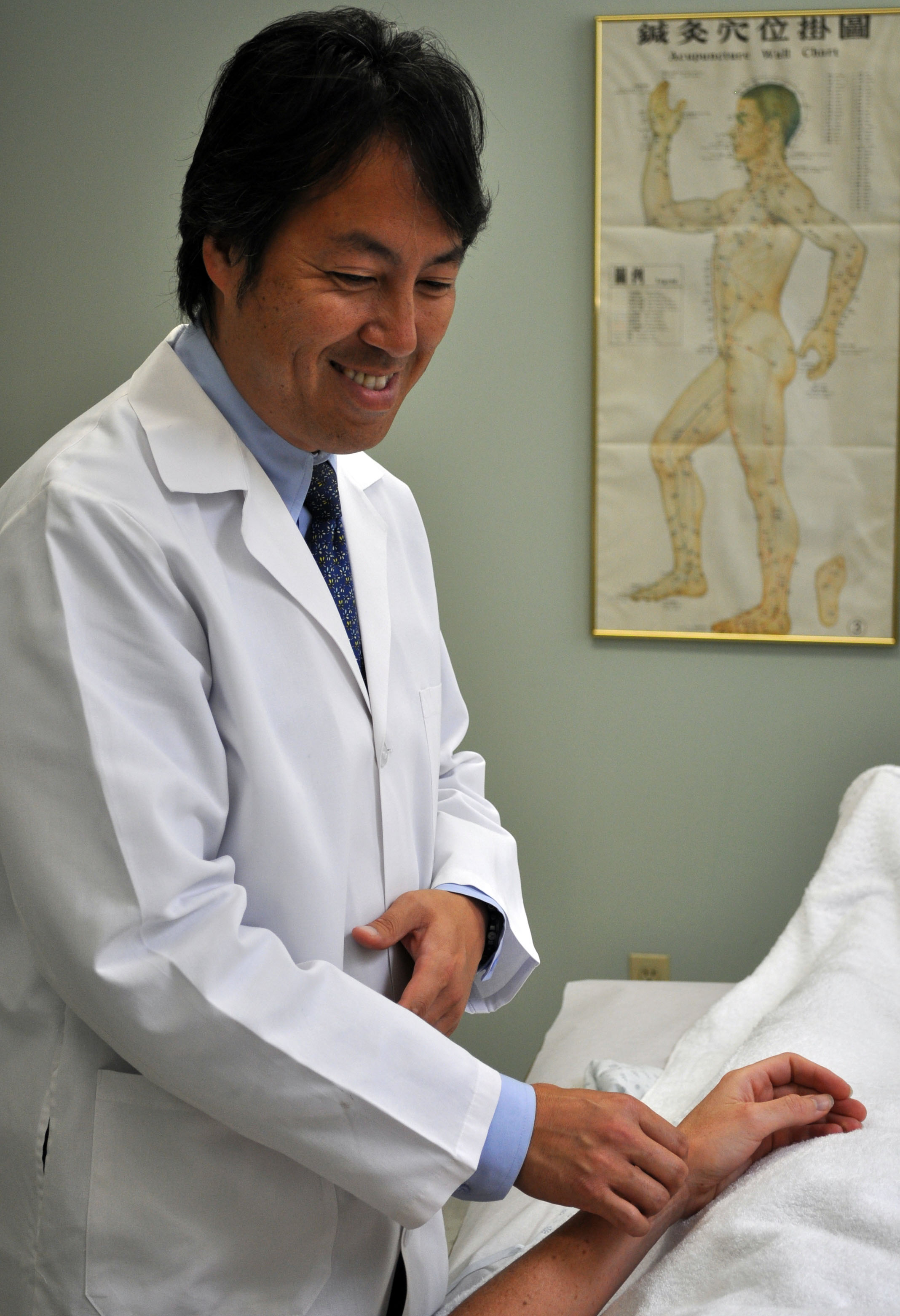
Atsuki Maeda, LAc, stroke acupuncture specialist
The Stroke Rehabilitation and Dementia Care Clinic is directed by esteemed stroke acupuncture specialist Atsuki Maeda, LAc, who draws on over 20 years of experience as an acupuncture practitioner and has successfully treated stroke and dementia patients both in the US and Japan.
The acupuncture therapy that Maeda uses to treat patients is called Xing Nao Kai Qiao (XNKQ) and was originated in China in the early 1970s by Dr. Shi Xue Min at Tianjin University of Traditional Chinese Medicine, China. The XNKQ therapy has proven to be extremely effective in the treatment of stroke patients as well as stroke prevention for those at risk. Since 1972, at least two million stroke patients have been treated in China using the XNKQ method.
Maeda’s goal is to make acupuncture therapy available to as many stroke and dementia patients in the US as possible. “I wanted to find a way to respond to the recent demand for rehabilitation options and preventive treatments in stroke care”, said Maeda.